Watery Eyes and Blurred Vision? There May Be a Deeper Cause
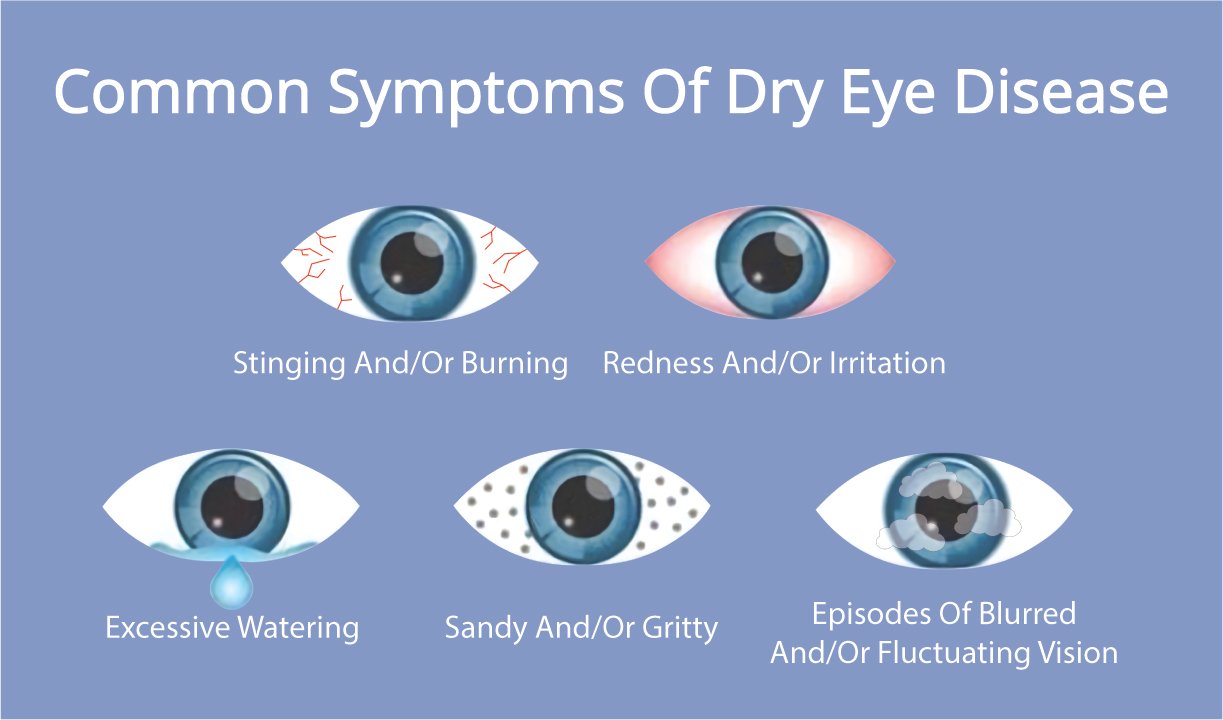
The burning starts. They sting. That gritty feeling, like someone rubbed sand in them while you were sleeping. And then, this is the part that makes no sense, they start watering. Pouring tears down your face for no reason. Watery eyes when the problem is dry eyes? That is your tear ducts overreacting because the surface of your eye is so irritated it is sending emergency signals. Not too wet. They are too dry. And the flooding is your body’s panic response.
Dry eyes is one of the most common condition people deal with, and one of the most misunderstood. Most people grab eye drops from the pharmacy, use them four or five times a day, and call it handled. But dry eyes does not go away with drops. Drops treat what you feel on the surface. They do not fix what is causing the dryness in the first place.
At Honor Wellness in Vancouver, we treat dry eyes with ophthalmic acupuncture, a method that goes after the inflammation, the circulation, and the nerve problems that are actually behind your dry eyes. No needles in the eye area. No surgery. Just targeted care that helps the eyes start producing tears the way they are supposed to.
What Is Happening to Your Tear Ducts?
So what is actually going on when things feel like this?
Dry eye disease is a condition where the eye doesn’t make sufficient tears, or the tears it makes are poor quality and evaporate too fast. Tears are not just water. They have three layers, oil from the meibomian glands in the eyelids, water from the tear glands, and mucus that helps the tear film spread evenly across the corneal surface. When any one of those layers breaks down, things fall apart. Dry spots form on the surface. Things get irritated. Inflammation kicks in. And then the cycle starts, dryness causes inflammation, inflammation makes the dryness worse, and you are stuck.
Why This Condition Goes Deeper Than the Surface
This is a whole-body problem disguised as an eye problem. Dry eye occurs when things go wrong at multiple levels, not just on the surface of your eye.
Chronic inflammation is a huge piece of it. When the eyes stay dry and irritated for weeks or months, the inflammation builds up in the tear glands and the surrounding tissue. The glands get less effective. The tears they produce are thinner, less stable, and evaporate faster. Things get drier. More inflammation. Worse tears. It feeds itself.
Poor blood flow around the area is another factor. The glands in the eyelids, the ones responsible for the oil layer of tears, need good circulation to function properly. When blood flow to the eye area drops, those glands slow down. Without enough oil, tears evaporate before they can do their job. Dry eyes from screen work is a perfect example, you blink less, blood flow drops, the oil glands get sluggish, and things dry out.
Nerve function matters too. The nerves around the area are what signal the glands to produce tears. When those nerves get less responsive, from aging, screen overuse, contact lens wear, or conditions like diabetes, the glands stop getting the message to make tears. The glands are capable. They just are not being told to work.
This is why eye drops fall short for so many people with dry eyes. Drops add moisture for a few minutes. They help briefly. But drops do not reduce inflammation. Drops do not improve blood flow. Drops do not wake up sluggish nerves. Drops treat symptoms but do not treat the eye. Acupuncture treats the dry eye.
How Ophthalmic Acupuncture Helps
Here is how ophthalmic acupuncture works for dry eyes, and why it gets results that drops cannot.
No needles go in or near the eyes. The acupuncture points used are around the eyebrows, temples, and face, plus points on the arms and legs. The points near the eyes increase circulation to the tear glands and the eyelids, bringing oxygen and nutrients that reduce inflammation and help the glands work better. The points further from the eyes support the nervous system, restoring the signals that tell the glands to produce tears on their own.
Dry eyes patients in our care consistently report less burning, less grittiness, fewer episodes of tearing, and longer stretches of comfort throughout the day. Most people notice their eyes feel better within the first few sessions. Over a course of treatment, the goal is to retrain the body to produce better quality tears naturally, reducing or eliminating your need for eye drops.
Results and What the Research Shows
The research on acupuncture for dry eyes is strong and getting stronger. A 2024 systematic review published in Medicine looked at 16 clinical trials with 1,383 dry eye patients. Acupuncture combined with drops was significantly more effective than eye drops alone, improving both tear stability and tear production. A separate 2024 review of 41 studies found that acupuncture improved tear break-up time, tear production, and the health of the ocular surface. That review also flagged that long-term use of artificial tears can cause problems including allergies, blurred vision, and eye pain, making acupuncture a smarter option for people who want lasting dry eyes relief.
A 2025 review confirmed that acupuncture treats dry eye through multiple pathways, reducing ocular inflammation, stimulating tears, and improving nerve signaling to the tear glands. The evidence keeps building.
We track your dry eyes progress carefully. How do things feel first thing in the morning? How long can you work before the eye strain hits? How long before the eye burning starts? Are you using fewer drops? These markers tell us the dry eye is improving, and we adjust your care based on what we see. Where relevant, we coordinate with your eye doctor and use findings from your eye exams to guide the plan.
Dry eye syndrome is not something you should just live with. Dry eye symptoms affect your ability to work, read, drive, and enjoy your day. These symptoms affect your sleep. It affects your mood. And it gets worse over time if nothing changes.
If you have been managing dry eyes with drops and you are tired of the temporary fix, ophthalmic acupuncture at Honor Wellness offers something different. We do not just add moisture. We go after why things are dry in the first place, the inflammation, the circulation, the nerve function, and we fix that.
Some people ask about punctal plugs for dry eyes. Plugs are tiny devices inserted into the drainage channels to block drainage, keeping whatever tears you produce on the surface longer. Plugs work for some people, but they do not address why the glands are not producing enough tears in the first place. Acupuncture and plugs can work together, they hold tears in, and the acupuncture helps the glands produce better quality tears. Talk to your eye care provider about whether combining both makes sense for your dry eyes.
If dry eye symptoms keep showing up, if the symptoms are controlling your life, book a visit with Honor Wellness. You deserve more than dry eyes dictating another bottle of drops. Medicines and drops have their place, but lasting dry eyes relief starts with treating the actual cause. That is what we do.
Frequently Asked Questions
What conditions are commonly mistaken for dry eye syndrome?
Several conditions are commonly mistaken for dry eye syndrome due to their overlapping symptoms. Allergic conjunctivitis, blepharitis, eye strain from prolonged screen use, meibomian gland dysfunction, and contact lens irritation can all produce symptoms that closely resemble dry eyes including redness, irritation, burning, and blurred vision. In some cases thyroid eye disease and certain autoimmune conditions such as Sjogren's syndrome can also present with dry eye like symptoms. A thorough assessment by a qualified eye care or healthcare practitioner is essential to arriving at an accurate diagnosis and the most appropriate treatment plan.
How long do dry eye symptoms typically persist?
How long dry eye symptoms typically persist depends on the underlying cause and how quickly appropriate treatment is started. Temporary dry eyes caused by environmental factors such as screen overuse, dry air, or seasonal allergies may resolve within a few days to a few weeks once the trigger is removed. Chronic dry eye disease related to meibomian gland dysfunction, hormonal changes, or autoimmune conditions requires ongoing management and may persist for months or years. Acupuncture has shown promising results in improving tear production and reducing chronic dry eye symptoms with consistent treatment over time.
What is the most effective time of day to apply eye drops for dry eyes?
The most effective time of day to apply eye drops for dry eyes depends on when your symptoms are most pronounced. Applying drops first thing in the morning helps lubricate the eyes after hours of reduced blinking during sleep. Using drops before prolonged screen time, reading, or driving prepares the eye surface for activities that reduce blink rate and accelerate tear evaporation. Preservative free drops are generally recommended for frequent use throughout the day as they are gentler on the delicate surface of the eye with repeated application.
What are the underlying root causes of chronic dry eye syndrome?
The underlying root causes of chronic dry eye syndrome involve either insufficient tear production or poor tear quality that causes tears to evaporate too quickly from the eye surface. Meibomian gland dysfunction, which disrupts the oily layer of the tear film, is one of the most common root causes. Hormonal changes particularly during menopause, prolonged screen exposure, certain medications including antihistamines and antidepressants, autoimmune conditions, and nutritional deficiencies in omega 3 fatty acids all contribute significantly. Acupuncture addresses dry eyes at a root level by improving circulation to the lacrimal glands, reducing systemic inflammation, and supporting the body's natural ability to produce and maintain a healthy and stable tear film.