
Acupuncture for Back Pain in Vancouver
Back pain is one of the most common reasons people come to our clinic, and one of the things acupuncture helps with most. Whether you have been dealing with back pain for a few days or for years, figuring out what is causing it is the first step toward feeling better. If you have tried over-the-counter pain medications, stretching, and rest but your back pain keeps coming back, acupuncture takes a different approach, one that goes after the real problem instead of just hiding it.
What Causes Back Pain?
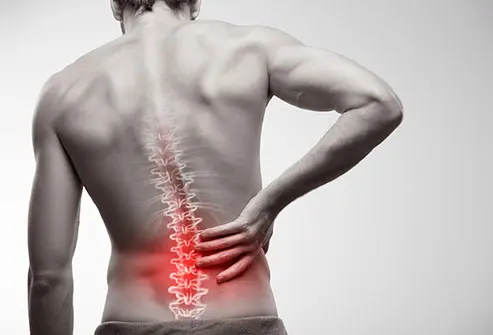
Most back pain comes from muscles, joints, and ligaments, not from something serious. The most common cause is a pulled muscle in the lower back from moving too fast or doing too much. This leads to tightness and spasm. Worn-down discs, stiff spinal joints, and SI joint problems can also cause back pain and sometimes send it into your hip or leg.
Back pain can feel like a dull ache that hangs around all day or a sharp pain rather than something you can point to in one spot. Some people only feel it in the morning. Others feel it from the moment they sit down until they go to bed. It can spread from your back and neck into your shoulders, or settle deep into your spine and stay there.
Sometimes a nerve gets pinched. A disc that pushes on a nerve, most common between ages 30 and 50, often causes leg pain that feels worse than the back pain itself. Spinal stenosis, where the space around your spinal cord gets narrower over time, is another common source of spine pain. A back injury from a car accident, a fall, or a sports incident can also start a chain reaction of swelling and muscle tightness that keeps the back pain going long after the original damage has healed.
What keeps back pain stuck is usually not just the injury itself, it is the swelling, the muscle guarding, and the overactive pain signals that build up around it. That is where acupuncture comes in.
How Does Acupuncture Treat Back Pain?
Acupuncture goes after the things that keep back pain locked in a cycle. Needles placed at key points along the spine and affected areas bring more blood to the damaged tissue, clear out swelling, and tell your nervous system to turn down its pain response. This process is called neuromodulation, and it is why acupuncture is recognized as a real, effective treatment for chronic back pain by leading medical groups around the world.
For deeper muscle problems, we use electroacupuncture to wake up muscles that have shut down because of pain or injury. When muscles stop working the way they should, your body makes up for it with bad movement patterns, and those create even more back pain. Electroacupuncture fixes the connection between your nervous system and the muscle so your body can move properly again.
A lot of people with back issues come to us after trying massage, physio, and pills without lasting results. Acupuncture often helps where those have not, because it fixes the nerve and muscle patterns that other treatments miss. For some patients, back pain improves within the first few sessions. For chronic back problems that have been building for months or years, a longer care plan may be needed, but most people notice real changes early on.
Some people also wonder if they should think about surgery for their back pain. In many cases, acupuncture can help you avoid surgery altogether, especially for disc problems, spinal stenosis, and chronic low back pain where surgery is not always the best first step. Even if surgery is already planned, acupuncture can help your body get ready before and recover faster after. We always suggest working with your medical team to decide if surgery makes sense, and we are happy to support whatever medical care you are already getting.
What Types of Back Conditions Does Acupuncture Help?
Acupuncture works well for many kinds of back pain. Chronic back pain, the kind that has lasted more than three months with no clear cause, has some of the strongest proof behind it. Large reviews of the research keep showing that acupuncture brings down back pain and helps people move better.
Lower back stiffness from sitting or standing too long is one of the easiest conditions to treat. Upper back and shoulder blade tension from desk work and poor posture gets better just as fast. Neck pain that starts in the upper spine and moves into the back, neck, and shoulders is another condition we see all the time.
Sciatica, the shooting pain, numbness, or tingling that goes from the spine down into your leg, is one of the back pain conditions we treat the most. A 2024 study published in JAMA Internal Medicine found that patients with sciatica from herniated discs saw big drops in both leg pain and disability, and the results held for up to a full year.
SI joint problems, muscle spasms, spine injuries, and pain from car accidents also respond well, especially when we add electroacupuncture or IMS to reach the deeper muscles along the spine.
Why Choose Honor Wellness Studio For Your Back Care?
Most clinics treat back pain the same way for everyone. We do not. Your imaging, lab work, and medical scans shape your treatment from the very first session so we are working on what is actually going on, not guessing. We look at your full medical history and review any spine or spinal imaging you bring in so your care plan starts with the complete picture.
Our team has over 25 years of combined experience treating back pain. We use acupuncture, electroacupuncture, IMS, cupping, and gua sha, and we pick the right mix based on your specific condition and where the back pain is coming from.
We track how you are doing, set clear goals, and work toward getting you better, not keeping you on a never-ending schedule. We are open seven days a week with same-day appointments, and we bill your insurance directly including ICBC, Pacific Blue Cross, Manulife, Sun Life, and Great-West Life.
If back pain is holding you back, the best time to start is now.
Frequently Asked Questions
Is acupuncture an effective treatment for back pain?
Acupuncture is an effective treatment for back pain and is increasingly recognized by mainstream medical communities around the world. It works by stimulating specific points along the body that trigger the release of natural pain relieving chemicals, reduce inflammation, and improve circulation to the affected area. Both acute and chronic back pain conditions respond well to acupuncture, and many patients experience significant and lasting relief after a consistent course of treatment.
What does the acupuncture treatment process look like for back pain?
The acupuncture treatment process for back pain begins with a thorough assessment of your symptoms, medical history, and lifestyle. Fine sterile needles are then inserted into specific points along the back, hips, legs, and other areas of the body connected to the pain pathway. You will rest comfortably with the needles in place for approximately 20 to 40 minutes. Most patients find the experience deeply relaxing and notice a reduction in tension and discomfort during or immediately following the session.
Can acupuncture provide relief for sacroiliac joint pain?
Acupuncture can provide meaningful relief for sacroiliac joint pain by reducing inflammation, releasing tight surrounding muscles, and improving circulation to the affected joint. The sacroiliac joint connects the lower spine to the pelvis and when irritated can cause significant pain in the lower back, hips, and buttocks. Acupuncture targets both the local area and related points throughout the body to address the root cause of the dysfunction and restore comfortable movement and stability.
What is the typical timeframe for acupuncture to relieve back pain?
The typical timeframe for acupuncture to relieve back pain depends on whether the condition is acute or chronic. Many patients experience noticeable relief from their very first visit, leaving the clinic with reduced pain and a greater sense of ease and mobility. Acute back pain resulting from a recent injury or strain may fully resolve within two to three sessions. Chronic back pain that has been present for months or years typically requires a more consistent treatment plan spanning four to eight weeks before significant and lasting improvement is achieved.