What Is Cupping?
Those purple circles you see on swimmers at the Olympics and NBA players during warm-ups? That is cupping. And no, they did not get into a fight with an octopus. Cupping therapy is an ancient healing method, thousands of years old, practiced everywhere from Beijing to Cairo to Baghdad. It is an ancient form of alternative medicine rooted in healing systems from China, the Middle East, and Egypt. The idea is dead simple: stick cups on the skin, create suction, body does the rest. That pull drags fresh blood into stuck, angry tissue and loosens everything up. Helps your body relax and recover faster. Cupping therapy is a practice used today in acupuncture clinics, physiotherapy offices, and massage therapy clinics across the world. Not because it is trendy, because people keep getting off the table feeling better.
At our clinic in Vancouver, this treatment is built into your session when your body needs it. We do not upsell cupping like a spa add-on. Your acupuncturist reads your body and decides when cupping therapy makes sense based on your muscles, your circulation, and where the pain is sitting.
Book Your First Visit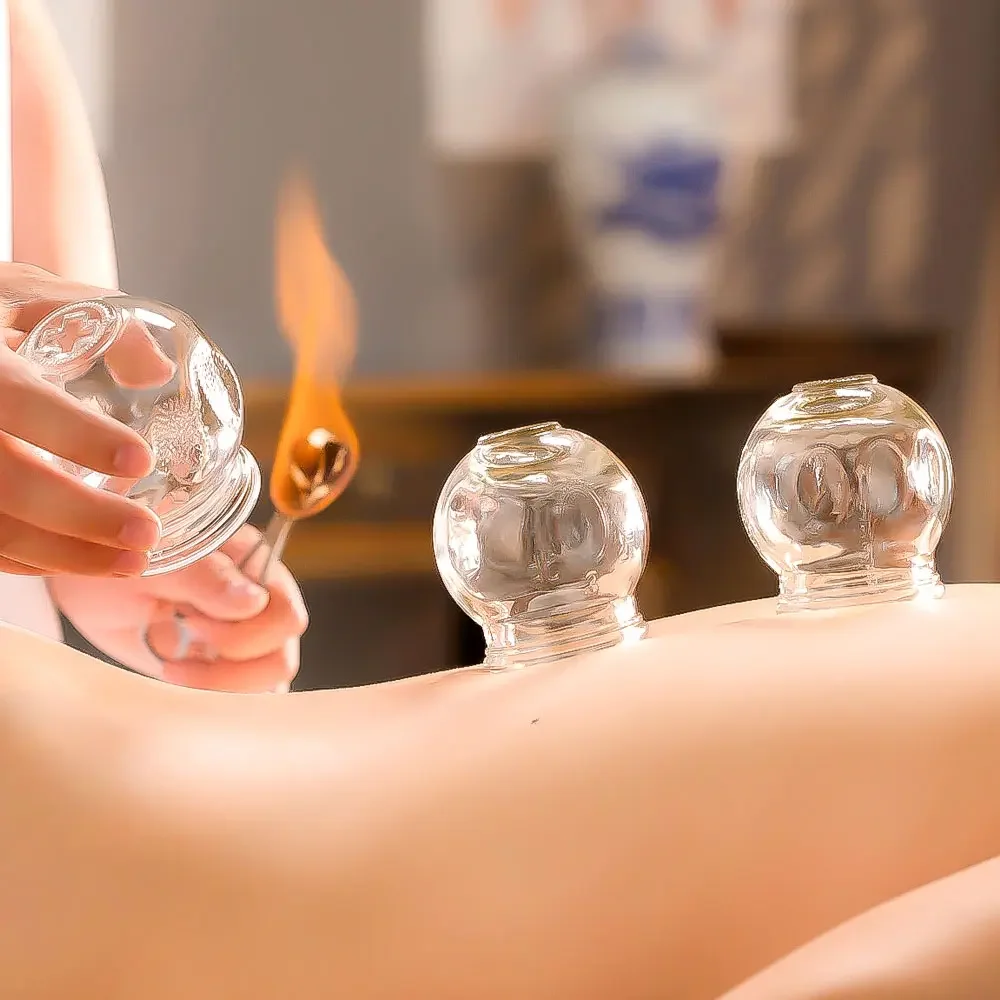
How Cupping Works
Forget everything you know about massage for a second. Massage pushes down. Cupping does the opposite, cupping pulls up. And that difference matters more than you would think. The lifting action from cupping reaches layers of muscle and fascia that no amount of pressure can get to. You know that deep knot between your shoulder blades that every massage therapist digs into but never fully releases? Cupping goes after it from the other direction.
Here is what is actually happening under the skin. When tissue stays tight and inflamed for weeks or months, blood stops flowing through it properly. Waste piles up. The tissue hardens. Pain shows up and does not leave. Cupping flips that switch. The suction from the cups yanks fresh, oxygen-rich blood into the area — like opening a window in a stuffy room. Fascia that has been glued down starts to unstick. Your lymphatic system finally gets a chance to flush out the junk that has been camping in your tissue. The effects hit fast. Most people feel lighter and looser in the cupped area before they even get off the table, and it lasts for days.
That is why cupping hits different than massage or stretching. Cupping gets into spots nothing else reaches. And the benefits of cupping therapy go past just loosening tight tissue, cupping also dials down pain, opens up range of motion, and tells your nervous system to stop being so wound up.
Now, not all cupping is the same. There are several cupping techniques and which one you get depends on what is going on.
Dry cupping is the bread and butter. Cups go on the skin, suction pulls the tissue up, done with fire or a pump. When someone says "I got cupping done," this is usually what they mean. Dry cupping is what we reach for most at our clinic. Works great for tension, pain, circulation issues. Dry cupping on the back, shoulders, neck, legs, all of it responds.
Wet cupping is a whole different animal. Tiny shallow punctures go into the skin first, then the cups go on. The suction draws out a small amount of blood and stagnant fluid. Sounds intense, and it is more involved. Wet cupping goes way back in Middle Eastern and traditional medicine. Some patients swear by it for certain conditions. We can talk through whether wet cupping fits your situation during your session.
Suction cupping skips the fire and uses a pump instead to create the vacuum inside the cups. Some people prefer this method, you can dial the intensity up or down more precisely. Fire cupping is what we primarily use at Honor Wellness though. The pull is stronger, more traditional, and most patients find it deeply relieving. The flame never touches the skin, it goes inside the glass cup for a split second to create the vacuum, then the cup lands on you.
Water cupping? Less common. Warm water goes inside the cups. You will not see it much in North America but it is part of the broader cupping tradition in certain cultures.
What Conditions Does Cupping Treat?
Cupping works for a surprisingly long list of problems, especially anything involving deep tension, chronic pain, or sluggish circulation. Here is what cupping therapy helps with most:
Back pain and neck pain that has been hanging around for months, cupping drags blood into the tight, restricted tissue along your spine and shoulders. The effects usually show up on the table. Frozen shoulder and shoulder tightness — cupping pries open the tissue around the joint that has completely locked down. Knots that laugh at massage — cupping lifts instead of pressing, which catches restrictions that stretching cannot touch. Tension headaches — cupping across the upper back and neck releases the areas that shoot pain up into your head. Chest congestion and that cough that will not quit — cupping on the upper back loosens mucus and opens up breathing. Desk body — that full-body stiffness from sitting eight hours a day, cupping breaks apart the stuck patterns your body builds up week after week. Sports recovery — cupping for athletes is growing fast. Cupping therapy helps athletes bounce back quickly by moving waste out of overworked tissue and flooding it with fresh blood. Whiplash and car accident injuries — cupping is especially useful for the deep guarding that locks in after an injury, cupping breaks through that guarding when nothing else can.
TCM practitioners figured this out centuries ago, cupping and acupuncture together cover more ground than either one alone. Acupuncture resets the deeper systems. Cupping handles the local tissue. Two different angles, same session.
Those circles on your skin after cupping are not bruises. People ask us this constantly. Bruises come from impact, something hit you. Cupping marks come from stagnant blood and waste being pulled to the surface of the skin. Dark marks mean that area had a lot of stagnation sitting in it. Light marks mean circulation was already decent. They fade in three to seven days. Some people barely mark at all, especially after a few sessions once circulation starts improving.
What to Expect During a Cupping Session
First time getting cupping? Here is how it goes. During your cupping session we check where your body is holding the most tension and place the cups based on what we find. Cups stay on anywhere from five to fifteen minutes, depends on the area and how locked up things are. You will feel a firm pull. Strong but not painful. Most people go quiet for a minute when the cups first go on and then completely melt into it. It is one of those sensations where your body just says "finally."
After? You will feel loose. Light. Like someone peeled a layer of concrete off your back. A little tenderness the next day is normal, think of it like the soreness after a really good stretch. Nothing that slows you down.
Cupping therapy should stay away from broken skin, sunburns, and varicose veins. Pregnant, on blood thinners, or dealing with a bleeding disorder? Tell us before your session and we will work around it.
Why Choose Honor Wellness Studio?
Nobody heals the same way so no two cupping treatment plans coming out of our clinic look the same. We dig into your lab work, your scans, your imaging, the full picture from day one. Twenty-five years of combined clinical experience means we do not guess. We know what works.
And we are not trying to book you in forever. Clear milestones. Tracked progress. The goal is getting you better and out of here. Seven days a week, same-day appointments, direct insurance billing, ICBC, Pacific Blue Cross, Manulife, Sun Life, Great-West Life. We handle the paperwork.
Here is the thing about cupping that most people do not realize until they have been on both sides, professional cupping and DIY cupping are not even in the same conversation. Cupping on the upper back hits differently than cupping on the legs. Cupping for pain needs different placement than cupping for circulation. Cupping for breathing issues targets completely different zones than cupping for muscle recovery. Professional cupping matters because it is not just slapping cups on and crossing your fingers. Cupping takes real skill, knowing what the skin is telling you, reading the marks, adjusting the pressure, understanding what is happening three layers deep.
Got cupping sets at home? Fine for basic maintenance. But professional cupping therapy with a trained acupuncturist goes somewhere your bathroom mirror cannot take you. We know where the cups need to go, how long to leave them, and how to combine cup therapy with acupuncture so everything works together. Help your body relax, recover, and actually heal, not just feel good for an hour.
People ask us all the time, how often should I get cupping done? Depends. Acute pain or fresh injury? Cupping once or twice a week early on can move the needle fast. Maintenance mode? Cupping every two to four weeks keeps everything loose and stops tightness from stacking back up. Your acupuncturist will map that out for you.
Never tried cupping? The first session feels weird for about sixty seconds. The pulling from the cupping cups catches you off guard, then your body figures out what is happening and lets go. After that first cupping experience you will get it. You will understand why people become regular cupping enthusiasts. Cupping gives your body something no other treatment can. Cupping relief reaches places that nothing else gets to.
We run cupping with needlework in the same session whenever cupping adds to your results. Cupping first to open the tissue, then needles to go deeper into the nervous system. Together they create change that sticks. If pain, stiffness, or tension has been running your life and nothing else has cracked it, cupping at our clinic might be the missing piece.
Book Your First VisitFrequently Asked Questions
What types of toxins does cupping therapy remove from the body?
Cupping therapy removes toxins from the body by drawing stagnant blood, metabolic waste, and cellular debris that have accumulated in the muscles and tissues to the surface. This process stimulates the lymphatic system, which is responsible for filtering and eliminating waste from the body. The result is improved circulation, reduced inflammation, and a greater sense of physical relief as the body clears out what no longer serves it.
What causes the red marks that appear on the skin after cupping?
The red marks that appear on the skin after cupping are caused by blood being drawn up from the small capillaries beneath the skin into the surface tissue. This is not bruising in the traditional sense but rather stagnant or poorly circulating blood being brought to the surface where the body can reabsorb and eliminate it more effectively. The darker the mark, the more stagnation was present in that particular area of the body.
Does cupping therapy effectively improve blood circulation?
Cupping therapy is very effective at improving blood circulation throughout the body. By creating suction on the skin, cupping draws fresh oxygenated blood into areas that may have been experiencing restricted flow. This increased circulation helps relax tight muscles, reduce inflammation, accelerate tissue repair, and promote overall healing. Many patients notice an immediate improvement in warmth, mobility, and comfort in the treated areas following a cupping session.
How long does it take to recover after a cupping therapy session?
Recovery after a cupping therapy session is generally quick and straightforward for most patients. The marks left on the skin typically fade within three to seven days depending on the level of stagnation present. You may feel mild tenderness or fatigue for the first 24 to 48 hours as your body processes the treatment. Staying well hydrated, resting, and avoiding intense physical activity immediately after your session will support a smooth and comfortable recovery.
What types of toxins does cupping therapy remove from the body?
Cupping therapy removes toxins from the body by drawing stagnant blood, metabolic waste, and cellular debris that have accumulated in the muscles and tissues to the surface. This process stimulates the lymphatic system, which is responsible for filtering and eliminating waste from the body. The result is improved circulation, reduced inflammation, and a greater sense of physical relief as the body clears out what no longer serves it.
What causes the red marks that appear on the skin after cupping?
The red marks that appear on the skin after cupping are caused by blood being drawn up from the small capillaries beneath the skin into the surface tissue. This is not bruising in the traditional sense but rather stagnant or poorly circulating blood being brought to the surface where the body can reabsorb and eliminate it more effectively. The darker the mark, the more stagnation was present in that particular area of the body.
Does cupping therapy effectively improve blood circulation?
Cupping therapy is very effective at improving blood circulation throughout the body. By creating suction on the skin, cupping draws fresh oxygenated blood into areas that may have been experiencing restricted flow. This increased circulation helps relax tight muscles, reduce inflammation, accelerate tissue repair, and promote overall healing. Many patients notice an immediate improvement in warmth, mobility, and comfort in the treated areas following a cupping session.
How long does it take to recover after a cupping therapy session?
Recovery after a cupping therapy session is generally quick and straightforward for most patients. The marks left on the skin typically fade within three to seven days depending on the level of stagnation present. You may feel mild tenderness or fatigue for the first 24 to 48 hours as your body processes the treatment. Staying well hydrated, resting, and avoiding intense physical activity immediately after your session will support a smooth and comfortable recovery.